Edgeless Beauty: Seamlessly Integrating Garden and Landscape Oct 23, 2026
The first step in achieving edgeless beauty is understanding your space. Begin by assessing your garden's current layout and thinking about how it interacts with surrounding features. This could be existing landscaping elements like walkways, patios, or natural surroundings. Aim for a design that allows the garden to flow into these areas, creating a sense of continuity. Consider using organic shapes and curved lines rather than rigid, straight edges to soften transitions and foster a natural look.
To seamlessly integrate your garden and landscape, focus on plant selection. Choosing plants that complement your existing landscape helps maintain harmony. Native plants can be especially beneficial due to their adaptability and low maintenance, effectively weaving your garden into the regional environment. Incorporate a mixture of shrubs, perennials, and groundcovers that will naturally thrive, ensuring year-round interest and biodiversity. Layers of different heights and textures can further dissolve the visual barriers, enhancing the seamless look.
Incorporating tiered or layered planting not only adds depth but also helps in connecting these spaces visually. Imagine a waterfall of greenery that cascades from the higher points of your landscape flowing into the garden space below. Using varying plant heights strategically creates visual flow, guiding the eye smoothly across the landscape. This effect can be achieved by thoughtful use of evergreens, seasonal plants, and flowering shrubs, each playing a part in the tapestry of colors and textures.
Pathways are another vital element in integrating your garden and landscape. They serve as guides, leading the observer naturally through the space while inviting exploration. When designing pathways, opt for materials that complement both the garden and the landscape. Natural stone or gravel enhances a rustic charm, while larger pavers can provide a cleaner, modern look. The choice of material and pathway placement can significantly influence the seamless integration of the garden.
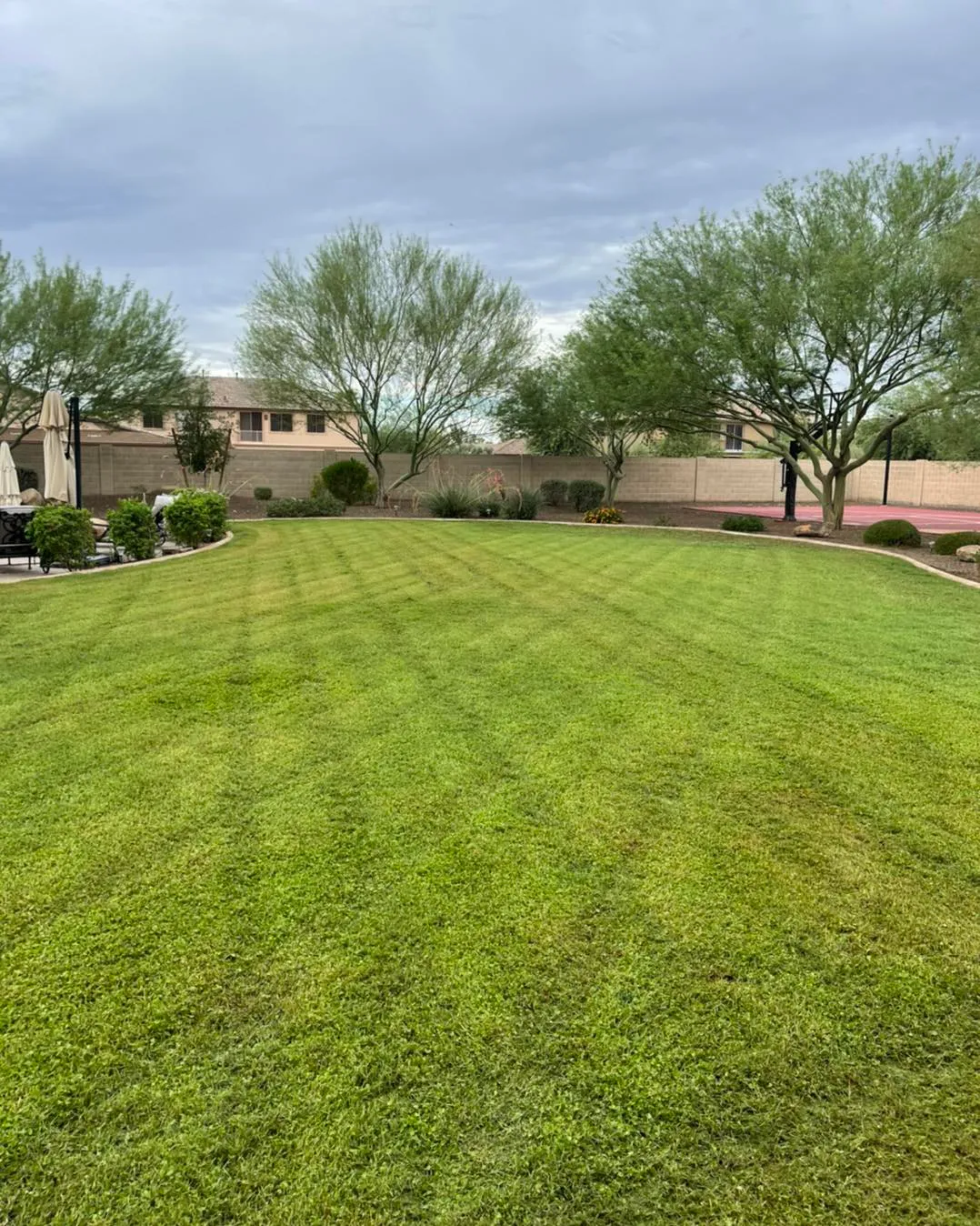
Borders are another aspect where you can employ creativity. The boundary between the garden and the lawn can be softened using a mix of low-lying plants or ornamental grasses. These create a subtle, beautiful transition from the formal lawn areas to the more cultivated garden spaces, contributing to an overall harmonious landscape design.
Water features can further blend your garden with the landscape, drawing attention to the transition. A small pond, fountain, or stream can provide a focal point within the garden while naturally connecting different areas of your landscape. These features not only add auditory pleasure but can also attract wildlife, enriching your garden environment.
In conclusion, achieving a seamless integration of your garden and landscape is about creating harmony between diverse elements. It requires a thoughtful balance between design and nature, leveraging native plants, organic shapes, strategic plant layering, complementary pathways, and inviting water features. By following these insights, you can transform your outdoor space into a unified, enchanting haven that reflects both beauty and tranquility. At American Dream Landscape Company, we are committed to helping you achieve this vision, ensuring that your garden is an integral part of an inspired landscape.